Understanding Skin, Ageing & Longevity During Body Transformation
Over the last few years, conversations around health, longevity, and body transformation have changed dramatically. More people are becoming proactive about:
- improving their health
- changing long-term habits
- reducing inflammation
- supporting metabolic wellbeing
- and ageing more consciously.
At the same time, there has also been growing awareness of how rapid physical transformation can affect the skin and face – especially after the age of 40.
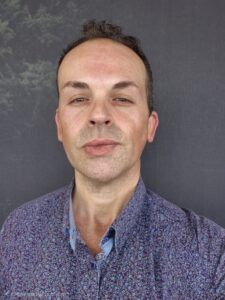
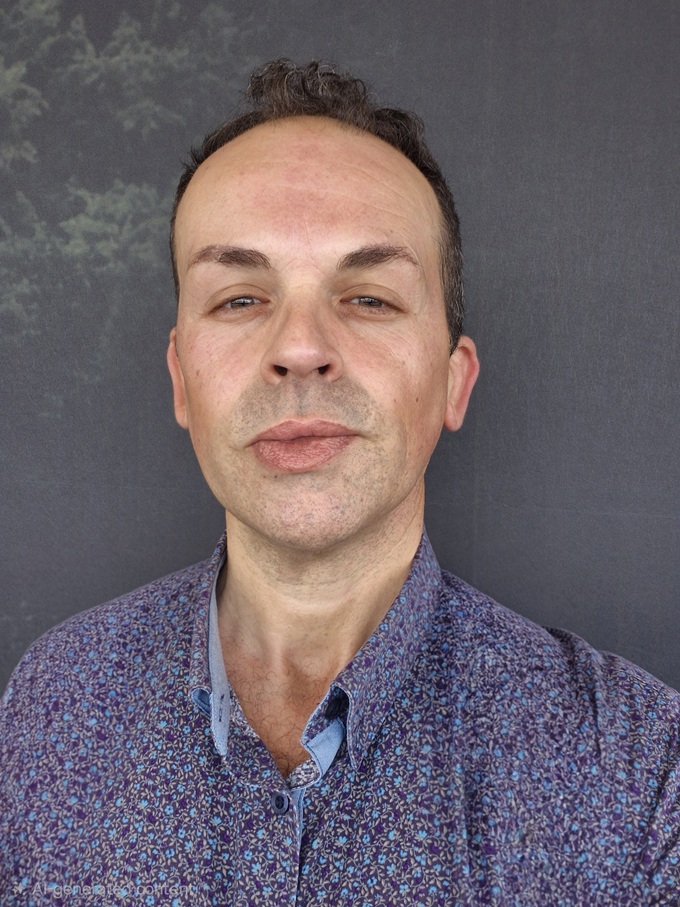
As both a therapist and someone who has become increasingly intentional about my own health and longevity, I’ve become deeply interested in how the skin, nervous system, and ageing process respond during periods of change. Because while transformation can be positive, the body still needs support along the way.
A Personal Turning Point
Nearly two years ago, I had a routine health check that became a significant wake-up call for me. After reviewing my blood work and blood pressure, medication was suggested to help manage some early health concerns. There is absolutely a place for medical support when needed, and many people genuinely benefit from it. But for me personally, that moment created a deeper level of awareness and accountability.
I realised that many of the issues I was experiencing were connected to years of:
- chronic stress
- poor recovery
- inconsistent nutrition
- nervous system overload
- and constantly putting my own wellbeing second while pushing through life and work.
So instead of looking for a quick fix, I started making small, sustainable changes:
- improving nutrition
- reducing highly processed foods
- prioritising sleep and recovery
- managing stress differently
- becoming more conscious about what I consumed physically and emotionally.
Over time, those small changes became a lifestyle. And it completely changed the way I think about:
- skin health
- ageing
- longevity
- and what true wellbeing actually means.
Why Weight Loss Can Affect the Skin
Weight loss itself is not the problem. In many cases, improving lifestyle habits can positively impact:
- energy
- inflammation
- mobility
- circulation
- confidence
- and long-term health.
However, when the body changes quickly, the skin and connective tissues do not always adapt at the same speed. This can lead to:
- facial volume loss
- skin laxity
- dullness
- dehydration
- fine lines becoming more visible
- thinner-looking skin.
These changes are often more noticeable after 40, when the body naturally produces less collagen, elastin, and hyaluronic acid. The skin simply becomes less resilient to rapid change than it was in earlier decades.
The Nervous System & Ageing Skin
One part of this conversation that is often overlooked is the nervous system. Skin health is not only influenced by products or treatments.
It is also deeply connected to:
- stress levels
- sleep quality
- inflammation
- emotional wellbeing
- and the body’s ability to recover.
When the nervous system remains in prolonged stress states, the body prioritises survival over repair.
Over time, this can contribute to:
- sensitivity
- breakouts
- accelerated ageing
- poor healing
- inflammation
- and a tired appearance in the skin and face.
This is why longevity-focused skin health should never be separated from:
- stress management
- recovery
- proper nourishment
- sleep
- and nervous system regulation.
Supporting the Skin Through Change
Healthy ageing is not about fighting the body. It is about supporting it more intelligently.
That support may include:
- hydration
- quality nutrition
- restorative sleep
- movement and circulation
- stress reduction
- skin barrier support
- and regenerative skin therapies that work with the skin rather than against it.
In clinic, I’ve become increasingly interested in longevity-focused and regenerative approaches that support skin resilience in a more holistic and sustainable way. Because true skin health is rarely just about appearance. It is often a reflection of how supported the body feels internally.
Final Thoughts
Transformation should not come at the expense of wellbeing. Whether change happens through:
- lifestyle improvements
- stress reduction
- medical support
- or a combination of approaches
…the skin and nervous system still require care and support throughout the process.
Longevity is not about perfection. It is about learning how to support the body more consciously as it changes with time. And perhaps that is where real wellbeing begins.
Next Steps
If you would like to:
Understand how this approach could support your specific situation
Explore a personalised treatment plan
Begin your sessions
You are welcome to get in touch or book an appointment.
[Book your session or learn more about Longevity Treatments]
© 2026 Nuno Gois Therapies. All rights reserved.
This content is provided for educational purposes only and reflects the professional insights and intellectual property of Nuno Gois Therapies.
No part of this article may be reproduced, republished, or adapted without prior written permission.