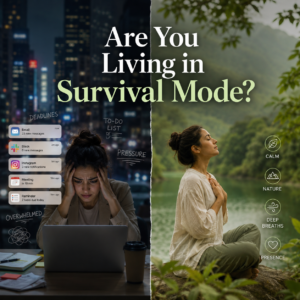
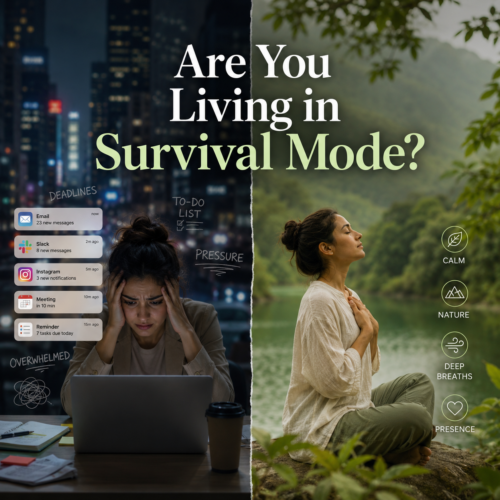
Are You Living in Survival Mode? 10 Signs Your Nervous System May Be Stuck in Fight or Flight
Have you ever felt exhausted but unable to relax?
Do you find yourself constantly overthinking, struggling to sleep, craving sugar, reaching for another coffee, or feeling emotionally drained even when life appears to be under control?
If so, your nervous system may be spending too much time in what is commonly known as fight or flight mode.
Many people assume stress only exists when something dramatic happens. In reality, modern life can keep the body switched on for weeks, months, or even years without us noticing.
Work pressures, financial concerns, relationship challenges, poor sleep, emotional trauma, excessive screen time, and constant demands can all contribute to a nervous system that never fully switches off.
In this article, you’ll discover ten common signs of survival mode, why they happen, and what you can do to support your nervous system naturally.
What Does It Mean to Be Stuck in Survival Mode?
Fight or flight is a natural survival response designed to protect us from danger.
When the brain perceives a threat, stress hormones such as adrenaline and cortisol are released. Heart rate increases, muscles tense, breathing becomes quicker, and the body prepares to react. This response is essential during genuine emergencies.
The challenge arises when the body begins responding to emails, deadlines, financial worries, emotional stress, unresolved trauma, and constant pressure as if they were physical threats.
Over time, the nervous system can become trapped in a cycle of hypervigilance and constant alertness.
What Are the Signs Your Nervous System Is Stuck in Fight or Flight?
1. Why Am I Tired All the Time?
One of the biggest misconceptions about stress is that it creates energy.
Initially it does. However, prolonged stress places a heavy burden on the body. Many people eventually experience exhaustion, low motivation, brain fog, and a feeling of running on empty.
If you constantly wake up tired despite getting enough sleep, chronic stress may be playing a role.
2. Why Can’t I Switch Off My Thoughts?
Do your thoughts continue racing long after the day has ended?
Overthinking, excessive worrying, replaying conversations, and constantly planning for the future are common signs that the nervous system remains highly activated.
When the brain believes it must remain alert, mental rest becomes difficult.
3. Why Do I Wake Up Between 2am and 4am?
Many people experiencing chronic stress report waking during the early hours of the morning.
This can occur when stress hormones rise during the night, interrupting deep restorative sleep and preventing the body from fully recovering.
4. Why Do I Feel Anxious for No Reason?
Sometimes there is no obvious reason for anxiety.
You may feel restless, on edge, irritable, or unable to relax despite having nothing specific to worry about.
This can be a sign that your nervous system has become accustomed to operating in a heightened state of alertness.
5. Why Are My Neck, Shoulders and Jaw Always Tight?
Stress often manifests physically.
Tension headaches, neck pain, shoulder tightness, jaw clenching, and muscular discomfort are common indicators that the body is holding stress.
Many people carry emotional tension long before they consciously recognise it.
6. Why Do I Crave Sugar, Caffeine and Comfort Foods?
When the body is under stress, it often seeks quick sources of energy.
Many people notice increased cravings for sugar, processed foods, caffeine, or frequent snacking during stressful periods.
These cravings are often less about hunger and more about nervous system regulation.
7. Why Do I Need Alcohol to Relax?
For many people, alcohol becomes a way of slowing down a mind that struggles to switch off.
While alcohol may temporarily create a sense of relaxation, it can disrupt sleep quality and contribute to a cycle of stress, fatigue, and emotional imbalance.
8. Why Do I Feel Emotionally Numb?
Not everyone responds to stress with anxiety.
Some people experience the opposite.
They feel disconnected, emotionally flat, unmotivated, or unable to enjoy activities that once brought pleasure.
Emotional numbness can be a sign that the nervous system has been overwhelmed for too long.
9. Why Do Small Problems Feel So Overwhelming?
When the nervous system is overloaded, even minor challenges can feel difficult to manage.
Tasks that once felt simple may suddenly seem exhausting, frustrating, or impossible.
This is often a sign that your stress bucket is already full.
10. Why Don’t I Feel Like Myself Anymore?
Perhaps the most important sign is the feeling that something has changed.
You may remember being calmer, happier, more energetic, or more resilient than you feel today.
Many people describe this experience as losing touch with themselves.
Can the Nervous System Recover from Chronic Stress?
The encouraging news is yes.
The nervous system is remarkably adaptable.
With the right support, many people find they can gradually move out of survival mode and begin experiencing greater calm, resilience, improved sleep, emotional balance, and a renewed sense of wellbeing.
How Can You Support Nervous System Recovery Naturally?
Many people benefit from combining several approaches, including:
Improving sleep habits
Reducing caffeine intake
Limiting alcohol consumption
Gentle movement and exercise
Breathwork and relaxation practices
Spending time in nature
Building healthier stress management routines
Massage therapy and Pain Relief
Auricular Acupuncture
NADA Protocol treatments
Consistency is often more important than intensity when supporting long term nervous system regulation.
How Can Auricular Acupuncture and the NADA Protocol Help?
Auricular Acupuncture and the NADA Protocol are increasingly used to support people experiencing stress, anxiety, emotional overwhelm, poor sleep, burnout, and nervous system dysregulation.
By stimulating specific points on the ear, these approaches aim to encourage relaxation, support emotional wellbeing, and help the body shift away from a constant state of alertness.
Many clients report feeling calmer, sleeping better, and experiencing an improved sense of balance after regular sessions.
A Different Approach to Stress Recovery
Many people spend years trying to push through stress, hoping it will simply disappear.
Sometimes what the body needs is not more effort but the opportunity to slow down, regulate, and recover.
At Nuno Gois Therapies, I support individuals experiencing stress, emotional overwhelm, anxiety, poor sleep, burnout, tension, and nervous system overload through a combination of Auricular Acupuncture, NADA Protocol treatments, therapeutic massage, Reiki, and holistic wellbeing approaches.
If any of the signs in this article sound familiar, it may be time to listen to what your body has been trying to tell you.
Healing often begins when we stop fighting our symptoms and start understanding them. Read here if Auricular Acupuncture is right for you.
Frequently Asked Questions
How do I know if I am living in survival mode?
Common signs include fatigue, anxiety, poor sleep, muscle tension, overthinking, emotional numbness, irritability, and difficulty relaxing.
Can chronic stress affect physical health?
Yes. Prolonged stress can impact sleep quality, digestion, immune function, energy levels, mood, and overall wellbeing.
How long does it take the nervous system to recover?
Recovery varies from person to person. Factors such as stress levels, lifestyle habits, emotional health, and support systems all play a role.
What therapies can help regulate the nervous system?
Many people find benefit from Auricular Acupuncture, the NADA Protocol, massage therapy, Reiki, breathwork, mindfulness practices, and lifestyle changes that support stress reduction.
Ready to Begin Your Recovery Journey?
If you would like to learn more about how nervous system focused therapies may support your wellbeing, contact Nuno Gois Therapies to arrange a consultation and discuss the most suitable treatment options for your needs.
© 2026 Nuno Gois Therapies. All rights reserved.
This content is provided for educational purposes only and reflects the professional insights and intellectual property of Nuno Gois Therapies.
No part of this article may be reproduced, republished, or adapted without prior written permission.